What is interactive fiction? A beginner’s guide
From a cave in 1976 to the choose-your-own-adventure books to stories on your phone: what interactive fiction is, the kinds there are, and where to start.
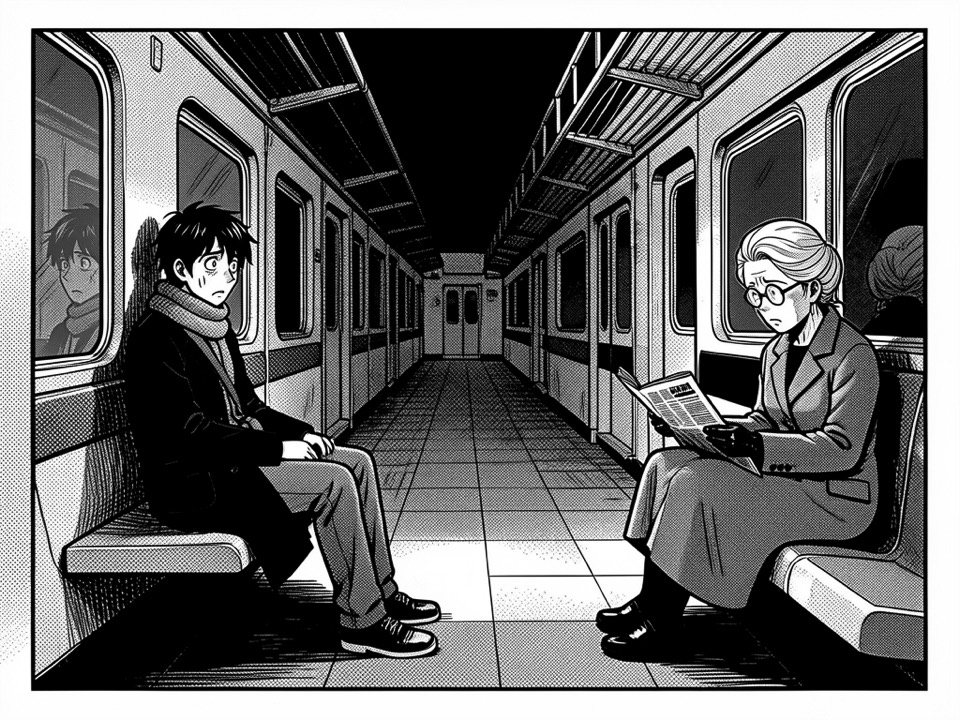
Interactive fiction is any story where the reader takes part in what happens. Instead of turning the page, you make a decision, and the story responds. The name covers a lot of ground, from 1970s text adventures to the stories on this site, but the idea underneath is the same: you are in it.
Where it came from
The first well-known piece is Colossal Cave Adventure, written by Will Crowther around 1976 and expanded by Don Woods in 1977. You explored a cave by typing short commands like GO NORTH or TAKE LAMP, and the computer described what happened. A few years later, Zork took the same idea further and became one of the first big commercial hits, sold by Infocom.
Around the same time, the idea reached paper. In 1979 Bantam published the first Choose Your Own Adventure book, The Cave of Time by Edward Packard. At the end of a page you read “If you open the door, turn to page 42”, and millions of children learned to keep a finger in the page they came from, just in case.
Since then the form has kept changing shape: gamebooks with dice and character sheets, visual novels, the story-driven games of the 2010s, and free tools like Twine (first released in 2009) that let anyone write a branching story and share it as a web page.
The main kinds
- Parser games. You type what you want to do, and the game understands a limited set of commands. Rich and clever, but the first ten minutes can be frustrating while you learn what it understands.
- Gamebooks. Numbered sections, choices at the bottom of each, sometimes dice and combat. The paper ancestor of most of what follows.
- Choice-based stories. You read a scene and pick from a few options. This is the easiest to start with, and it is what most people mean today.
- Visual novels. Choice-based stories with character art, music and a lot of reading, very popular in Japan.
- AI stories. Newer: the next scene is written when you choose, so you can also type a move of your own that the writer never planned for.
What makes a good one
The best interactive stories have choices that mean something: two options that are both tempting and both cost you something. A choice between “be brave” and “be a coward” is not much of a choice. A choice between saving your friend’s career and keeping your own is.
They also remember. If you lied to someone in scene two, they should still be cold to you in scene six. And they end: a story you can finish in one sitting, then replay to see where the other paths go, is more satisfying than one that runs forever.
Where to start
If you have never played one, start with something short and choice-based. On this site every story takes five to ten minutes, has a picture for every scene, and has several endings. Here is a good first one:
We keep a short list of others in Interactive stories you can play online. And if you would like to write one, read How to write a choose your own adventure story: the same rules apply whether it is a book, a Twine page or a story here.
Keep reading
 WritingHow to write a choose-your-own-adventure story people finishStart in the middle of a decision, make every choice cost something, and keep your branches from exploding. A practical guide to branching stories.
 WritingAI story games: how to get a good story out of oneAn AI story game writes the next scene when you choose. Five things that make the difference between a story that wanders and one you want to finish.
 Story GamesInteractive stories you can play online, freeChoose-your-own-adventure stories for grown-ups, playable in a browser in five to ten minutes: a mystery, a time-slip, a villain who is hiring, and a stadium full of people.