How to write a choose-your-own-adventure story people finish
Start in the middle of a decision, make every choice cost something, and keep your branches from exploding. A practical guide to branching stories.
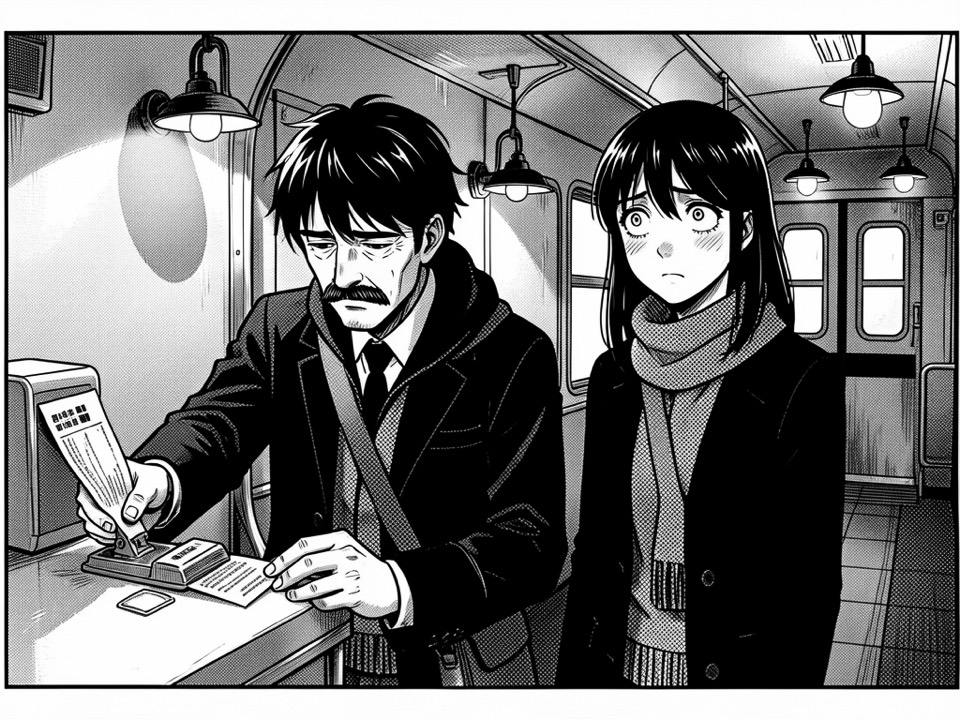
Branching stories are easy to start and hard to finish. The first choice is exciting to write. By the fourth, you have sixteen scenes to write and no idea which ones matter.
We have written a lot of branching stories for Parallel Pens, and watched a lot of people play them. This is what we have learned about writing ones that people actually play to the end.
Start in the middle of a decision
The most common mistake is a long opening. In a normal story you can spend pages on the world before anything happens. In a branching story, the reader is waiting for the first choice, and every paragraph before it is a paragraph they skim.
Open with the character already under pressure. Our story The Last Train Stops at Tomorrow starts with one announcement: the next station is tomorrow. Two paragraphs later the reader is deciding what to do about it.
A good opening scene is about two hundred words long and ends on a question the reader wants to answer.
Make every choice cost something
A choice is only a choice if each option gives something up. “Go left” or “go right” is not a decision; it is a coin toss. Compare:
- Ask to read the stranger’s newspaper: you learn something, and they notice you looking.
- Pull the emergency brake: the train stops, and so does everyone’s patience with you.
Both options move the story. Both have a price. The reader has to weigh them, and that weighing is the whole pleasure of the form.
A useful test: if you cannot say what the reader loses by picking an option, the option is not finished.
Offer four kinds of move
When we write the choices for a scene, we aim for four kinds of move, so every reader finds one that fits how they want to play:
- The careful one. Gather information, wait, protect what you have.
- The bold one. Act now, take the risk, force the moment.
- The one that reaches out. Trust someone, ask for help, tell the truth.
- The wild card. The option nobody expects, which should still make sense for the character.
Four kinds of move are not four answers to a puzzle. None is right. They are four temperaments, and readers come back to replay the ones they did not choose.
Your move
Try it: the stranger opposite you is reading tomorrow’s paper, and your photo is on the front. What do you do?
Pick one to read what happens.
Keep your branches from exploding
Four choices per scene, five scenes deep, is over a thousand scenes. Nobody writes that by hand. There are three ways to keep a branching story manageable:
- Branch and bottleneck. Let paths split, then bring them back together at key moments (a meeting, a storm, a deadline) that every path has to pass through. The reader’s earlier choices still matter in how they arrive.
- Remember, don’t multiply. Instead of writing a new path for every choice, let the story remember what happened (who you lied to, what you carry) and change details later.
- Let some choices end things. Not every branch needs to continue. A short path to a memorable ending is better than a long path to nowhere.
Parallel Pens adds a fourth way: when a reader goes somewhere nobody wrote, the AI writes the next scene in the same voice, so the story can follow any choice without the author writing every branch first.
Write endings worth reaching
An ending is the reader’s reward for their choices, so it should feel caused by them. Two rules help:
- Name what they chose. The best endings echo a decision from earlier: the lie that came back, the person they trusted.
- Vary the kind of ending, not just the outcome. A triumph, a quiet escape, a bittersweet bargain, a disaster that was their own fault. If every ending is “you win” or “you die”, readers stop caring which they get.
Then play every path
The only real test of a branching story is playing it the way readers will: impatiently, perversely, picking the option you assumed nobody would pick. Every time we do, we find a scene that only works if you came from one direction, and fix it.
If you want to see these ideas in a finished story, play one of ours, or start your own from a single line and see where your choices take it.
Keep reading
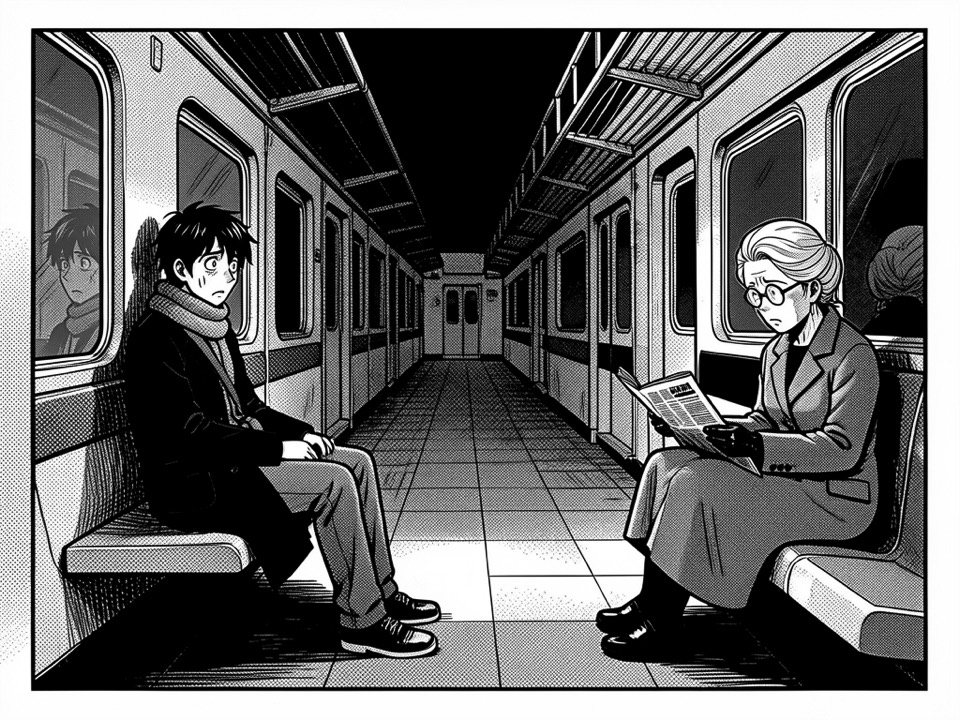 Branching StoriesWhat is interactive fiction? A beginner’s guideFrom a cave in 1976 to the choose-your-own-adventure books to stories on your phone: what interactive fiction is, the kinds there are, and where to start.
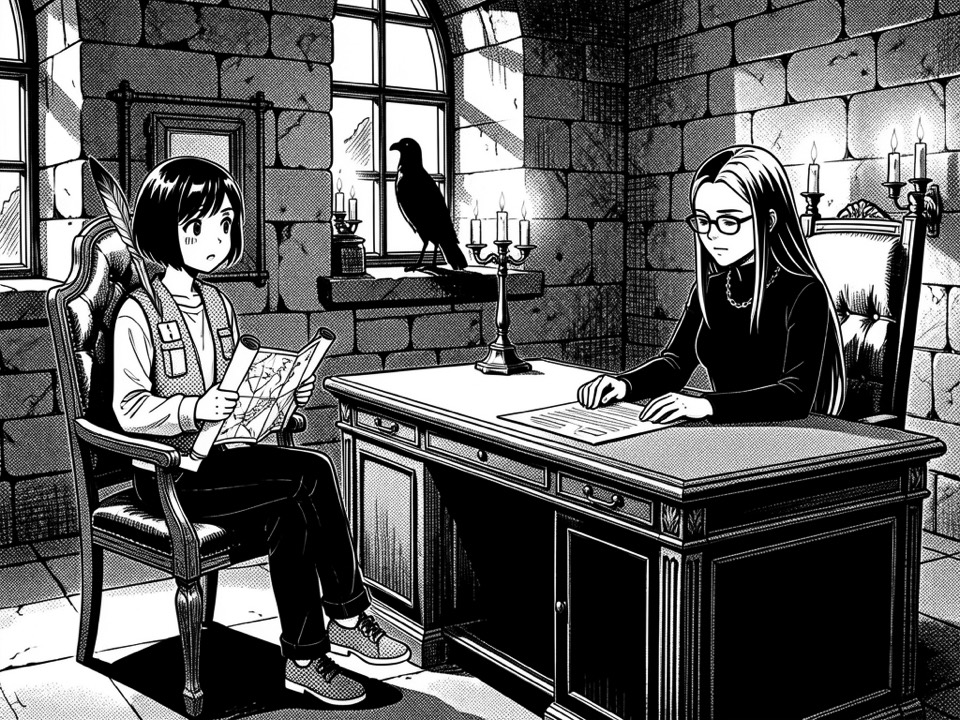 WritingAI story games: how to get a good story out of oneAn AI story game writes the next scene when you choose. Five things that make the difference between a story that wanders and one you want to finish.
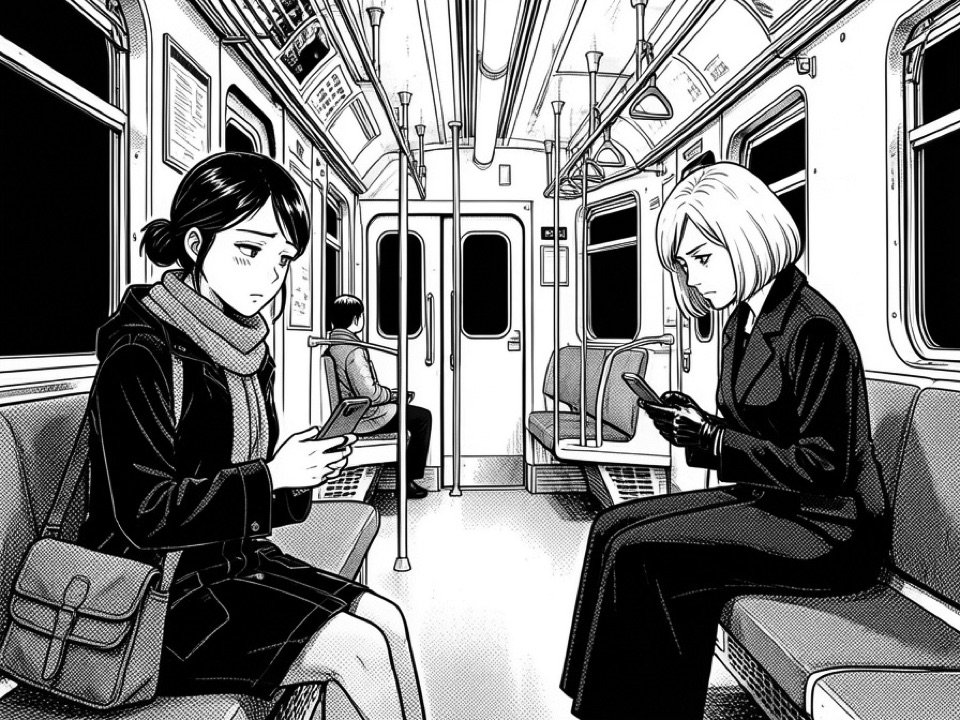 Story GamesInteractive stories you can play online, freeChoose-your-own-adventure stories for grown-ups, playable in a browser in five to ten minutes: a mystery, a time-slip, a villain who is hiring, and a stadium full of people.